
Ubuntu
Package Installation
Firstly, you must install the Kerberos server package on the server machine.
During the installation, you have to provide the Kerberos realm and hostnames of your Kerberos servers.
You must also enter the name of the administrative Kerberos server.
Generate Password for Kerberos Realm
Generate a password for the Kerberos Realm by using the command below:
Configure kadm5.acl
Add the admin user principle to the access control by editing the following file:
Content in the data:
Add the admin principal to the Kerberos database using the command below:
Kerberos Client Installation
Install the Kerberos clients on the client machines using the command below:
Authenticate using our principal and see if it works.
Enable Kerberos on Ambari UI.
Modify Below Changes on the Ambari UI
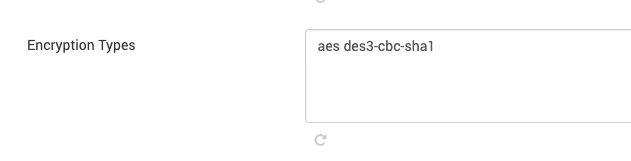
Navigate Ambari UI → Kerberos → Advances kerberos-env → Encryption Types and change value from aes des3-cbc-sha1 rc4 des-cbc-md5 to aes
After making the edits, it should look as shown below:
Rhel 8 / Centos7
Package Installation
Configure kadm5.acl
After adding the principal, you must edit the acl for krb5kdc.
Enable Kerberos on Ambari UI
Modify Below Changes on the Ambari UI
Machines with OpenJDK8u392 onwards do not support certain encryption types. Navigate to Ambari UI → Kerberos → Advances kerberos-env → Encryption Types and change value from aes des3-cbc-sha1 rc4 des-cbc-md5 to aes
Enabling UI Access after Enabling Kerberos
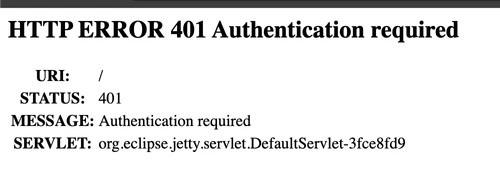
After installing Kerberos, it is necessary to adjust the cluster configuration to access component UIs from the browser; otherwise, a 401 error will be encountered during browser access.
Change the following two configurations: